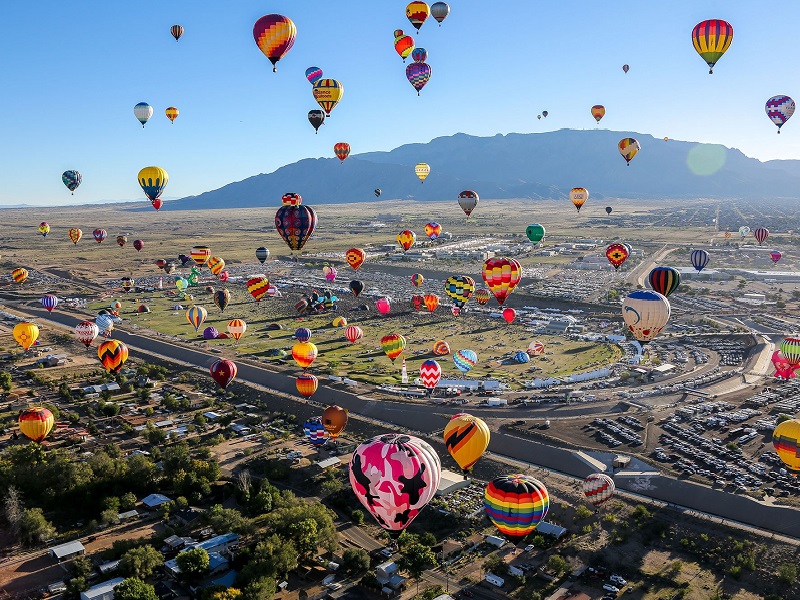
State festivals give travelers an opportunity to experience regional food, music, art, history, agriculture, and community traditions. These events range from large celebrations attracting national visitors to smaller gatherings centered on one local product or cultural story.
Planning begins with understanding the festival’s purpose. Some events focus on music, while others celebrate food, heritage, crafts, seasonal activities, or regional industries.
Travelers searching for fresh local travel ideas can use festivals to explore destinations beyond the usual attractions.
Review the official schedule before choosing travel dates. Major performances, parades, competitions, and demonstrations may occur only once during the event.
Do not assume every festival activity is included with admission. Concerts, workshops, tastings, rides, and reserved seating may require separate tickets.
Create a complete travel budget. Include admission, transportation, lodging, parking, food, shopping, and emergency expenses.
Book accommodations early for popular festivals. Hotels near the event may fill quickly or increase prices as the date approaches.
Compare lodging distance with transportation costs. A less expensive hotel farther away may require additional fuel, parking, or rideshare spending.
Review cancellation policies before booking. Weather, illness, and schedule changes can affect travel plans.
Consider arriving one day before a major event. This reduces pressure and allows time to explore the destination.
Travelers interested in creative lifestyle and destination inspiration can combine a festival visit with local museums, parks, historic districts, and independent businesses.
Avoid planning every hour of the trip. Festivals can be unpredictable, and unexpected performances or conversations may become the most memorable experiences.
Choose three priority activities for each day. Treat additional events as optional rather than mandatory.
Large festival grounds may require extensive walking. Study the map and group nearby activities together.
Comfortable footwear should be a priority. New shoes may cause discomfort during long days.
Dress for local weather rather than the appearance of social media photos. Heat, humidity, wind, rain, and cool evenings require practical preparation.
Layered clothing works well when temperatures change throughout the day.
Bring only items allowed by event rules. Bag sizes, chairs, food, bottles, umbrellas, and cameras may be restricted.
Download tickets before leaving the hotel. Mobile service can slow when large crowds gather.
Save screenshots only when permitted. Some ticket systems use changing barcodes that require the official application.
Carry a portable charger and begin the day with fully charged devices.
Do not depend entirely on mobile maps. Save the festival layout and important addresses for offline access.
Travelers following popular regional culture topics may hear about famous attractions, but smaller festival areas often provide more personal experiences.
Local food should be approached with curiosity and reasonable planning. Try regional specialties while considering dietary needs.
Share tasting portions when possible. This allows travelers to sample more foods without overspending.
Ask vendors about ingredients when allergies or dietary restrictions apply. Do not rely on assumptions based on appearance.
Carry water and drink regularly. Long outdoor days can lead to dehydration even when temperatures feel comfortable.
Limit excessive alcohol consumption. Travelers need clear judgment when navigating unfamiliar areas.
Identify restrooms, first-aid stations, exits, and information booths soon after arriving.
Choose a meeting point when traveling with a group. Mobile communication may become unreliable.
Families should make a separate plan for children. Explain what to do if separated and identify event staff.
Crowded festivals require awareness. Keep wallets, phones, and tickets in secure locations.
Avoid carrying unnecessary valuables. Leave important documents in secure lodging storage when appropriate.
People interested in sharing regional travel experiences may keep short notes about local foods, conversations, music, and traditions during the trip.
Respect residents and local customs. A festival is both a visitor attraction and a community event.
Follow parking rules and avoid blocking homes, driveways, business entrances, or emergency routes.
Use official transportation when available. Shuttle services can reduce traffic and parking stress.
Public transportation may operate on special schedules during large events. Confirm final departure times before relying on it.
Rideshare pickup areas may be located away from main entrances. Review designated zones.
Leave additional time after major concerts and parades. Thousands of people may exit at once.
Cultural performances should be approached respectfully. Listen to explanations and avoid treating meaningful traditions as costumes or background decoration.
Ask permission before photographing individual performers, vendors, or community members.
Support local businesses when the budget allows. Restaurants, cafes, bookstores, and shops may provide experiences beyond festival grounds.
Craft markets often include handmade products connected with regional traditions. Ask artists about materials and techniques.
Avoid bargaining aggressively unless the event culture clearly encourages negotiation. Handmade work reflects time and skill.
Festival merchandise can become expensive. Choose items connected with a meaningful experience rather than buying impulsively.
Check whether purchases are easy to carry during the rest of the day. Fragile items may be safer to buy before leaving.
Review weather updates throughout the visit. Outdoor programs may change because of storms, heat, or wind.
Know the festival’s emergency communication methods. Announcements may appear through applications, text alerts, signs, or public address systems.
Travel insurance may be worth considering for expensive trips involving flights, several hotel nights, or nonrefundable bookings.
Keep copies of important reservation details in one accessible location.
Avoid driving when tired after a long festival day. Share driving responsibilities or plan additional rest.
A slower final morning can improve the trip. Visit a local breakfast location, walk through town, or review photographs before returning home.
State festivals reveal details about regional identity that visitors may not find through standard sightseeing. Food, music, crafts, stories, and local participation all contribute to the experience.
With early planning, respectful behavior, practical spending, and flexible expectations, American local travelers can enjoy state festivals while connecting more deeply with the places they visit.