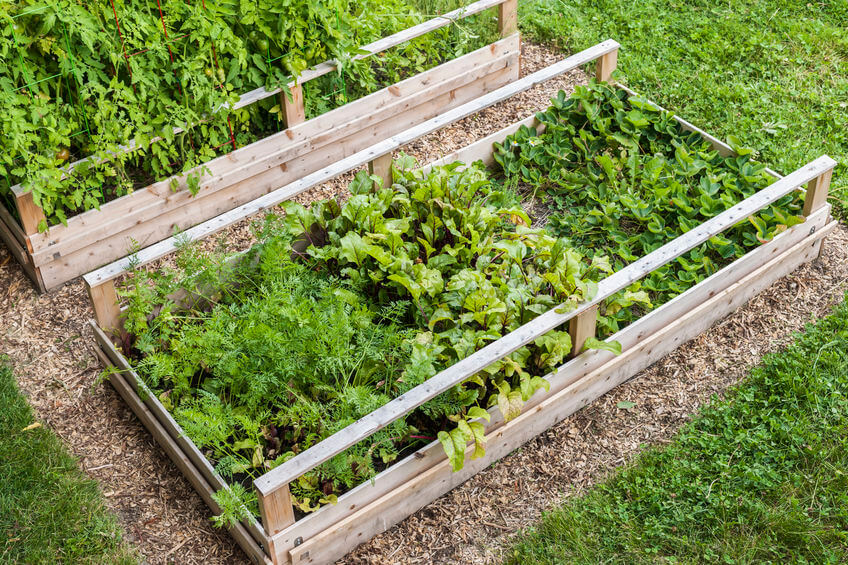
Raised garden beds provide organized growing areas for vegetables, herbs, and selected flowers. They are used across the United States in suburban backyards, community gardens, urban properties, and small family growing spaces.
A raised bed can improve soil control, define planting areas, and reduce the need to work directly in poor or compacted ground. However, successful growing still depends on location, dimensions, soil quality, drainage, irrigation, crop spacing, and seasonal maintenance.
Building a bed without planning may create future problems. Poor access, weak materials, shallow soil, and overcrowded plants can reduce productivity. A simple design based on household needs usually performs better than a large system that becomes difficult to manage.
Choose a Sunny Location
Most common vegetable crops benefit from several hours of useful sunlight.
Gardeners should observe the yard during morning, midday, and afternoon.
Trees, fences, sheds, neighboring buildings, and the home itself may create shade.
Seasonal changes also matter. A location that appears sunny before trees develop leaves may become shaded later.
The bed should remain easy to reach from the house and water source.
Practical vegetable garden planning can help growers compare sunlight, access, and yard layout before construction begins.
Keep the Bed Narrow Enough to Reach
Gardeners should be able to reach the center without stepping into the soil.
Walking inside the bed may compact soil and damage roots.
Many home beds are designed so plants can be reached from both sides.
A bed placed against a wall or fence may need to be narrower because access is available from only one direction.
Length can vary according to space, but very long beds may make movement around the garden inconvenient.
Comfortable access supports planting, weeding, harvesting, and inspection.
Select Durable Materials
Raised beds can be built from wood, metal, stone, blocks, or other suitable materials.
Homeowners should consider durability, cost, appearance, heat exposure, and local climate.
Wood may provide a natural appearance but can change as it ages.
Metal beds can be durable and organized, although surfaces may become warm in strong sunlight.
Materials should be appropriate for growing food and outdoor use.
Gardeners should avoid selecting materials only because they are inexpensive. Replacement may cost more later.
Prepare the Ground Beneath the Bed
The ground should be checked before the structure is filled.
Existing weeds may need to be removed or managed.
Uneven ground can cause the frame to shift.
Drainage should be evaluated, especially in low areas.
Some gardeners place barriers beneath beds, but the material should not prevent necessary drainage.
Deep-rooted crops may benefit from access to the soil below the frame.
The best ground preparation depends on existing conditions and bed design.
Creative raised garden inspiration can provide layout ideas, but construction choices should remain suitable for the actual property.
Fill the Bed With Suitable Growing Soil
Good soil supports root growth, moisture movement, and plant nutrition.
Gardeners should avoid filling the entire bed with heavy yard soil that becomes compacted.
A balanced growing mixture may contain suitable soil and organic material.
The exact combination depends on local availability and crop needs.
Freshly filled beds may settle after watering and seasonal use.
Gardeners should leave room for mulch and future additions.
Soil testing can help identify nutrient conditions rather than relying on unnecessary products.
Plan Crop Spacing Carefully
Overcrowding can reduce airflow, limit sunlight, and increase competition.
Seed packets and plant labels provide useful spacing information.
Small seedlings may appear widely separated, but mature plants can fill the bed quickly.
Tomatoes, squash, and other large crops may require more room than beginners expect.
Compact vegetables can be placed around larger plants when their needs are compatible.
Gardeners should also leave space for harvesting and inspection.
Use Vertical Supports
Trellises and cages can increase growing space.
Beans, peas, cucumbers, and selected other crops may grow upward with suitable support.
Structures should be installed before plants become large.
Adding a trellis later may damage roots or stems.
Tall crops should be positioned so they do not shade smaller vegetables unnecessarily.
Strong supports are important because mature plants can become heavy.
Vertical growing may also improve airflow and make harvesting easier.
Create a Consistent Watering Plan
Raised beds may dry differently than traditional ground-level gardens.
Weather, soil depth, sunlight, wind, plant size, and bed material affect moisture.
Gardeners should check below the surface rather than judging only the top layer.
Deep watering supports root development.
Light surface watering may encourage shallow roots.
Drip lines or soaker systems can provide consistent moisture when installed correctly.
Watering needs should change after rainfall and seasonal temperature shifts.
Add Mulch Around Established Plants
Mulch may reduce moisture loss and limit weed growth.
Organic materials can also contribute to soil improvement as they break down.
Mulch should not be piled against stems.
A moderate layer is usually easier to manage than excessive material.
Gardeners should check the soil beneath mulch before watering.
Some small seedlings may need open space until they become established.
Keep Seasonal Records
Raised beds change from year to year.
Gardeners can record planting dates, crop varieties, harvest amounts, pest problems, and weather conditions.
This information helps identify successful crops.
It may also reveal sections with poor sunlight or drainage.
Keeping raised bed growing notes supports more informed decisions during future seasons.
A simple drawing can show where each crop was planted.
Rotate Crop Families When Possible
Planting the same crop family in the same location repeatedly may contribute to certain pest or disease concerns.
Crop rotation can be useful, especially in larger garden systems.
Small beds may make full rotation difficult.
Gardeners can still change locations when practical and maintain good sanitation.
Removing diseased plant material and refreshing soil conditions may also help.
Detailed local guidance can support decisions for specific crops.
Protect Beds From Animals
Birds, rabbits, deer, rodents, and household pets may enter raised gardens.
Protection depends on the local problem.
Low fencing may help with smaller animals, while taller barriers may be needed in areas with deer.
Light covers can protect seedlings when installed safely.
Barriers should allow access for watering, harvesting, and beneficial insects when needed.
Gardeners should avoid creating structures that become difficult to remove.
Maintain the Bed After Harvest
Plant material should be removed or managed after crops finish.
Diseased growth should not remain in the bed.
Healthy material may be composted when appropriate.
Soil levels may need to be refreshed before the next season.
Supports, irrigation lines, and bed materials should be inspected.
Loose boards, sharp edges, or damaged corners should be repaired.
Gentle home garden guidance can help growers keep seasonal work practical and manageable.
Raised beds can make vegetable gardening more organized and accessible. Success comes from suitable sunlight, comfortable dimensions, durable materials, healthy soil, correct spacing, and consistent watering. American growers who begin with one manageable bed can learn local conditions before expanding. A carefully maintained raised garden can provide useful harvests for many seasons.