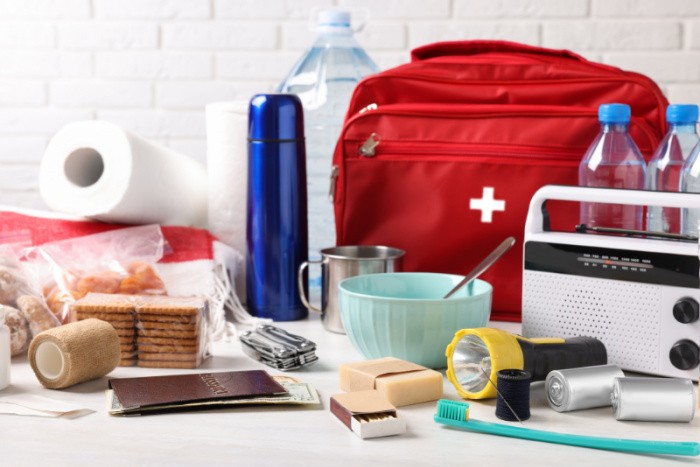
Emergency supplies are useful only when families can find, carry, and use them. Many households purchase water, food, flashlights, batteries, first aid products, and other items, then place everything in an overcrowded closet without a clear system. Over time, supplies expire, containers become difficult to reach, and important items disappear behind ordinary household storage.
A dedicated emergency closet can improve organization, but it should be planned around accessibility, temperature, moisture, household Needs, and local hazards. Families reviewing emergency storage information should think about how supplies will be used during both shelter-at-home situations and rapid evacuations.
Good storage is simple, visible, and easy for the household to maintain.
Choose a Safe and Accessible Location
Select a storage area that household members can reach quickly.
An interior closet on the main level may work well for many homes.
Avoid locations that are difficult to access during common local emergencies.
A basement may face flooding.
A garage may experience extreme heat or cold.
An attic may damage temperature-sensitive supplies.
Do not place emergency items behind heavy furniture or seasonal storage.
Keep pathways clear.
The location should be known to responsible household members.
Children may be shown where basic supplies are kept, but dangerous tools, medications, and chemicals should remain secured.
Families can review practical emergency organization stories when comparing storage ideas for apartments, suburban homes, and larger properties.
Divide Supplies by Purpose
Do not place every item in one large pile.
Create clear categories.
Possible groups include water, food, lighting, communication, first aid, sanitation, documents, tools, pet supplies, and seasonal equipment.
Use labeled containers.
Transparent boxes may make contents easier to identify.
Avoid containers that are too heavy to move.
Portable bags should remain separate from long-term household supplies.
Place frequently needed items near the front.
Emergency documents and medications should be easy for adults to reach.
Use shelves to prevent supplies from being crushed.
Keep Evacuation Bags Ready
A household emergency closet may contain many items that are not practical to carry.
Prepare separate portable bags.
Include immediate necessities such as water, simple food, medications, chargers, flashlights, basic clothing, identification copies, contact information, and personal care items.
Each bag should remain manageable.
Avoid packing unnecessary weight.
Consider separate bags for adults, children, pets, or medical needs.
Do not depend on having time to sort supplies during an evacuation warning.
Review portable bags regularly.
Replace outgrown clothing and expired products.
Useful disaster supply guidance may help families separate portable essentials from home-based emergency reserves.
Store Water Carefully
Water containers can become heavy.
Place them on strong lower shelves.
Avoid storing large containers where they may fall.
Protect water from direct sunlight and contamination.
Follow current storage recommendations.
Check container condition and dates.
Replace damaged or leaking supplies.
Do not allow water containers to block access to other emergency items.
Families with limited storage may divide water between several safe locations.
Keep some portable drinking water with evacuation supplies.
Do not assume household plumbing will operate normally during every emergency.
Rotate Emergency Food
Emergency food should not remain forgotten for many years.
Choose shelf-stable items that household members can eat.
Consider allergies, dietary needs, age, medical requirements, and preparation methods.
Avoid storing only foods that require electricity or large amounts of water.
Mark expiration or best-use dates clearly.
Place older products toward the front.
Use and replace them during regular household routines.
Inspect packages for damage, swelling, leaks, insects, or moisture.
Keep a basic manual can opener if canned food is stored.
Protect Supplies From Moisture
Moisture may damage food packaging, batteries, paper records, clothing, and equipment.
Use appropriate sealed containers.
Avoid placing cardboard boxes directly on basement or garage floors.
Raise supplies when possible.
Inspect for leaks, condensation, mold, and pests.
Repair property moisture problems.
Do not store emergency materials beneath leaking plumbing.
Use waterproof protection for important documents.
Families exploring broader household preparedness ideas should include moisture inspection in regular emergency storage reviews.
Manage Batteries Safely
Store batteries according to manufacturer guidance.
Keep them dry.
Avoid mixing old and new batteries.
Inspect for swelling, corrosion, leaks, or visible damage.
Do not allow loose batteries to contact metal objects.
Match spare batteries to emergency equipment.
Label which devices use each size.
Test flashlights and radios regularly.
Remove damaged batteries safely according to local requirements.
Recharge approved power banks.
Record charging dates.
Organize First Aid and Medications
Keep first aid supplies in a clearly labeled container.
Household members should know its location.
Review expiration dates.
Replace used or damaged products.
Keep emergency medical information nearby.
Prescription medication storage requires additional care.
Follow healthcare and pharmacy guidance.
Do not store temperature-sensitive medication in unsuitable closets.
Keep medication lists updated.
Secure medicines from children and unauthorized access.
Include backup glasses, hearing-device batteries, and essential medical supplies when needed.
Protect Important Documents
Store copies of identification, insurance information, medical records, emergency contacts, property information, and other essential documents in protective containers.
Use water-resistant storage where appropriate.
Keep digital backups secured.
Update documents after changes.
Do not place the only copies in one location.
Households may keep selected copies in portable evacuation bags.
Protect account passwords.
Avoid storing sensitive information where visitors can access it.
Include Lighting and Communication Tools
Keep flashlights near the front of the closet.
Store extra batteries.
Include a battery-powered or hand-crank radio when appropriate.
Keep charging cables organized.
Recharge power banks regularly.
Label cables.
Avoid tangled equipment.
Every household member should know how to operate basic emergency lights.
Do not rely only on candles.
Open flames may increase fire risk.
Add Supplies for Children
Children may need diapers, wipes, age-appropriate food, clothing, hygiene products, comfort items, and simple activities.
Update sizes as children grow.
Replace expired food and medicine.
Keep familiar items available.
A book, small game, or blanket may reduce stress.
Avoid overpacking toys at the expense of essential supplies.
Older children can help inspect safe items during routine reviews.
Adults should manage hazardous equipment.
Include Older Adults and Accessibility Needs
Store mobility supplies, glasses, hearing equipment, batteries, medication information, and personal care items.
Keep important equipment within easy reach.
Avoid placing heavy containers in front of mobility devices.
Use large, readable labels.
Maintain clear pathways.
Review needs with caregivers.
Emergency storage should reflect changing health and mobility requirements.
Create a Pet Supply Section
Include food, water, bowls, medications, leashes, carriers, cleanup supplies, and identification records.
Rotate pet food.
Check carrier condition.
Store leashes where they can be reached quickly.
Keep veterinary information updated.
Include comfort items when space allows.
Do not store pet supplies beneath heavy objects.
Families with several animals may need separate transportation planning.
Prepare Seasonal Equipment
Emergency needs change during the year.
Winter supplies may include blankets, warm clothing, gloves, and safe cold-weather equipment.
Summer supplies may include additional drinking water, cooling items, and sun protection.
Storm season may require rain gear and waterproof storage.
Review seasonal items before weather risks increase.
Move relevant supplies toward the front.
Do not allow seasonal adjustments to create clutter.
Maintain an Inventory List
Create a simple written list.
Record supply names, quantities, locations, and replacement dates.
Attach a copy inside the closet door.
Use a digital copy when helpful.
Update the list after using items.
Avoid overly complicated systems.
The inventory should save time.
Review it several times each year.
A well-organized emergency closet supports faster decisions and reduces waste. Families should keep supplies visible, labeled, current, protected, and easy to carry. The strongest storage plan is not the one with the largest number of products. It is the one household members can understand and use when normal routines are interrupted.