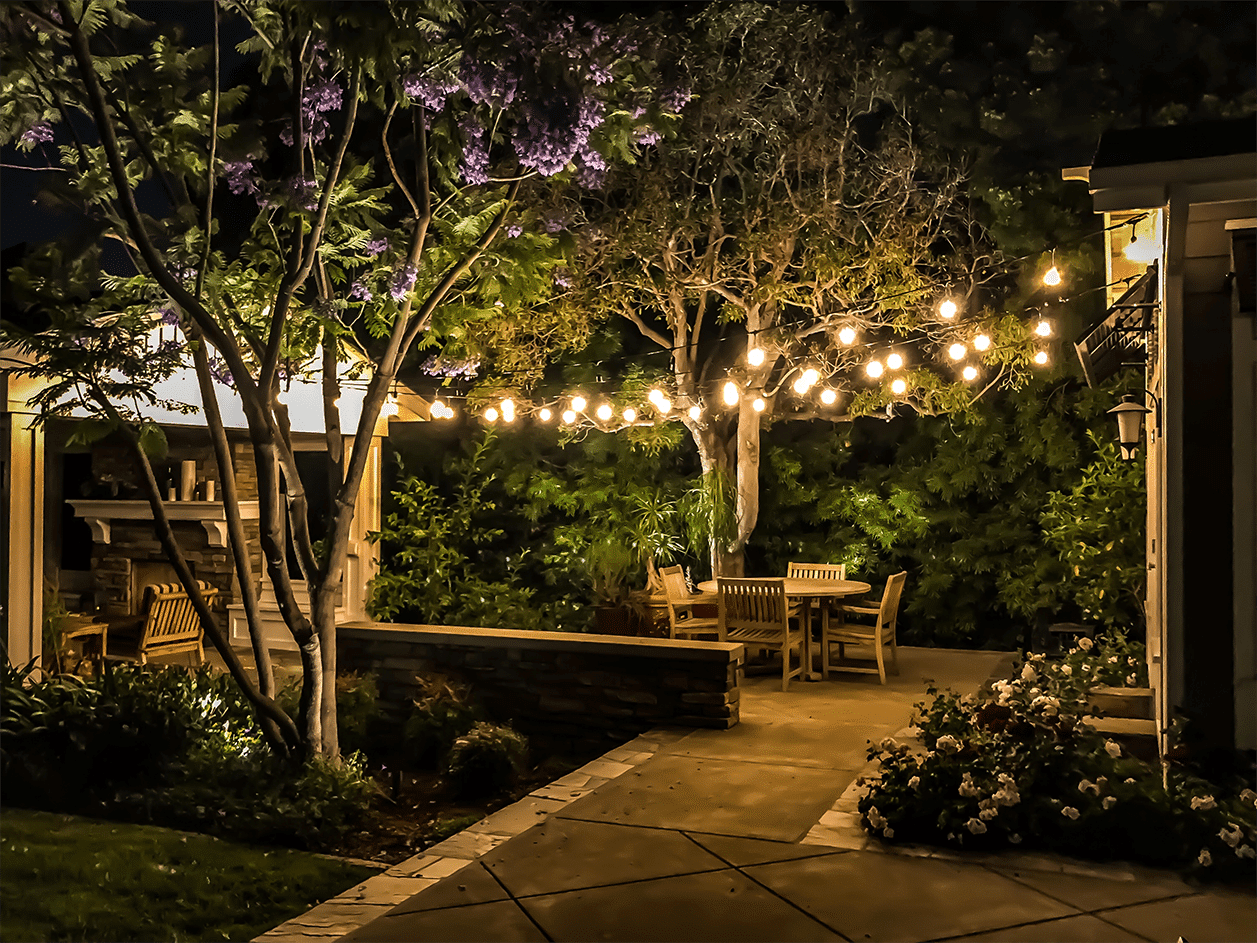
A dark backyard can hide steps, uneven paths, gates, tools, and changes in ground level. The strongest outdoor lighting ideas improve visibility without turning the yard into an overlit space that creates glare for the household or nearby neighbors.
Safety lighting should follow movement. Begin at doors, then trace the routes toward patios, garages, gates, play areas, storage, and other frequently used locations.
Walk the yard after sunset. Notice where shadows hide edges and where existing fixtures shine directly into your eyes. More light is not always the answer. Better placement often matters more.
Homeowners exploring electrical, landscape, installation, or exterior service categories may review regional home improvement listings while building a local shortlist. Electrical work should follow local requirements and suit outdoor conditions.
A well-lit yard feels easier to enter and move through. It still allows darkness where light is not needed.
Outdoor Lighting Ideas That Protect Paths And Steps
Movement areas deserve attention before decorative features. Lighting should reveal direction, edges, and changes in level.
Light Changes In Height
Steps, raised patios, retaining edges, and sloped paths can become difficult to read after dark.
Place light where it reveals the edge without producing glare.
Low fixtures may help along paths, while wall or rail lighting can support stairs.
Avoid creating alternating bright and dark patches. Eyes need time to adjust.
A family path from the back door to a detached garage may need several gentle light points rather than one bright fixture at each end.
The counterintuitive lesson is that stronger light can reduce visibility when glare hides the surrounding area.
Keep Doorways And Gates Easy To Use
Entry lighting should reveal handles, locks, thresholds, and nearby ground.
Place fixtures so a person does not stand between the light and the area being used.
Gates need enough visibility to operate latches and see obstacles.
Motion activation may help at less frequently used entries.
Homeowners comparing exterior installation, electrical, or property services may browse local household service categories before checking nearby providers.
Test lighting from both directions. A fixture that works when leaving the house may create glare when returning.
Build Layers Instead Of Relying On One Floodlight
One powerful fixture may light a large area but create hard shadows and uncomfortable brightness.
Combine General And Focused Light
General lighting can support broad movement near the house.
Focused lighting belongs near steps, cooking areas, tables, doors, and work zones.
Low path lighting helps guide direction without lighting the entire yard.
Wall-mounted fixtures may support patios and entries.
A backyard used for evening meals may combine soft wall lighting, path lights, and focused light near the grill.
Each layer should have a reason. Decorative fixtures should not replace visibility where people walk.
The less obvious benefit of layered light is flexibility. Different areas can operate separately according to use.
Use Motion Controls With Care
Motion lighting can help near side yards, driveways, storage areas, and secondary entrances.
Adjust sensitivity and duration to reduce unnecessary activation.
Aim sensors away from busy streets, moving branches, or neighboring activity when possible.
Extremely bright motion lights can disturb the household and nearby homes.
A regional exterior and electrical service directory may help owners identify local categories connected with lighting, wiring, landscaping, or property work.
A shorter, softer activation may provide enough visibility without making every movement feel like an alarm.
Improve Patio And Family Activity Areas
Patios, play spaces, and outdoor work zones need lighting suited to the activity.
Support Dining And Conversation
Outdoor dining needs enough light to see food, faces, and walking areas.
Fixtures should avoid shining directly into seated eyes.
String lighting can create soft coverage when attachment and electrical conditions are suitable.
Table lighting may add warmth, but stable placement and outdoor suitability matter.
A covered patio may use ceiling light for general coverage and smaller fixtures for atmosphere.
The strongest design allows brighter task lighting to turn off while softer conversation lighting remains.
Keep Play And Work Areas Visible
Children’s activity areas need clear boundaries and safe routes back to the house.
Storage sheds and work areas may need focused light near doors and tools.
Avoid placing fixtures where balls or normal activity may damage them.
Light should reveal equipment left on the ground.
Families may review regional property and outdoor service listings while identifying local categories for installation, landscaping, repair, or electrical support.
The surprising improvement may be better storage rather than more light. Removing loose objects from paths reduces risk throughout the day and night.
Choose Fixtures For Long-Term Use
Outdoor fixtures face rain, dust, temperature changes, insects, and regular exposure. Placement and maintenance affect performance.
Match Fixtures To Exposure
A fixture under a deep roof has different exposure from one placed beside an open path.
Choose products suited to the location and installation conditions.
Protect wiring and connections according to local requirements.
Consider how plants may grow around fixtures.
Avoid placing lights where water regularly collects.
A small amount of planning prevents fixtures from becoming hidden, damaged, or difficult to service.
Maintain Light Without Overlighting
Clean lenses when dirt reduces output.
Trim plants that block useful light.
Check fixture aim after seasonal growth or yard changes.
Replace failed lamps with suitable products.
Review the yard from neighboring viewpoints when possible.
The counterintuitive rule is that maintenance may improve safety more than adding fixtures. A clean, correctly aimed light often works better than another new one.
The goal is visibility with control.
Conclusion
Backyard lighting should make movement easier without removing the comfort of nighttime. Begin with doors, steps, paths, gates, and activity areas before adding decorative effects.
Useful outdoor lighting ideas depend on placement, layering, glare control, and maintenance. Several softer sources often create better visibility than one powerful floodlight.
Match fixtures to weather exposure, keep plants from blocking light, and use motion controls with care. Test the yard from several directions because the same fixture may help one route and create glare on another.
A safer yard does not need to be bright everywhere. It needs the right amount of light where people move, gather, and complete tasks after sunset.
Frequently Asked Questions
Where should backyard lighting be installed first?
Start at doors, steps, paths, gates, changes in level, and areas used regularly after dark. These locations affect movement and safety.
Are bright floodlights the safest outdoor option?
Not always. Strong glare can hide surrounding areas and create deep shadows. Several controlled light sources may provide better visibility.
How far apart should path lights be placed?
Spacing depends on fixture output, path shape, landscape conditions, and desired coverage. Test placement before permanent installation.
Are motion lights useful in backyards?
They can help near secondary entrances, storage, side yards, and less-used paths. Adjust sensitivity and duration to reduce unnecessary activation.
Can outdoor lights disturb neighbors?
Yes. Poorly aimed or overly bright fixtures may shine into nearby windows or yards. Direct light toward the intended area.
How can patio lighting feel comfortable?
Use softer layered light near seating, focused light for cooking, and enough path visibility. Avoid fixtures aimed directly at seated eyes.
Do landscape plants affect outdoor lighting?
Growth can block fixtures, change shadows, and redirect light. Review placement during seasonal maintenance.
How often should outdoor fixtures be checked?
Inspect them during regular yard maintenance. Clean lenses, review aim, trim plants, and address damage or failed components.